| 前のトピックへ :: 次のトピックへ |
| 作成者 |
メッセージ |
ForenSeil 


登録日: 2011年4月15日
投稿: 2731
所在地: Kappeln, Schleswig-Holstein, Germany.
|
 投稿日時: 土 11月 10, 2012 10:11 pm 件名: Focal length reducer? / Wide angle converter? |
|
投稿日時: 土 11月 10, 2012 10:11 pm 件名: Focal length reducer? / Wide angle converter? |
|
|
ForenSeil wrote:
Theoretically it should be not that hard to compress a pic and make a lens with a large coverage faster and give it a larger angle.
I know that these can be bought for telescopes to make F6.6 or F3.3 from an F10 lens if coverage is big enough etc.
I wonder why I've never seen any for lenses!? Or is that a market niche or for some reason not prossible?
Lens for 35mm on 2x crop sensor would mean double speed!
Imagine the speed of a medium format lens which overs 70x70mm 
_________________
I'm not a collector, I'm a tester 
My camera: Sony A7+Zeiss Sonnar 55/1.8
Current favourite lenses (I have many more):
A few macro-Tominons, Samyang 12/2.8, Noritsu 50.7/9.5, Rodagon 105/5.6 on bellows, Samyang 135/2, Celestron C8 2000mm F10
Most wanted: Samyang 24/1.4, Laowa 100/2.8 2x, Nikon 200/2 ED
最終編集: ForenSeil、土 11月 10, 2012 10:49 pm、計 3 回 |
|
| トップへ戻る |
|
 |
iangreenhalgh1
登録日: 2011年3月18日
投稿: 15679
Expire: 2014-01-07
|
投稿日時: 土 11月 10, 2012 10:23 pm 件名: |
|
投稿日時: 土 11月 10, 2012 10:23 pm 件名: |
|
|
iangreenhalgh1 wrote:
What have you been smoking? 
_________________
I don't care who designed it, who made it or what country it comes from - I just enjoy using it! |
|
| トップへ戻る |
|
|
ForenSeil
登録日: 2011年4月15日
投稿: 2731
所在地: Kappeln, Schleswig-Holstein, Germany.
|
投稿日時: 土 11月 10, 2012 10:28 pm 件名: |
|
投稿日時: 土 11月 10, 2012 10:28 pm 件名: |
|
|
ForenSeil wrote:
Problem would be that the register distance would be shortened - but I guess that handeled at least partially because NEX, MFT and co have a short register distance. Right?
_________________
I'm not a collector, I'm a tester
My camera: Sony A7+Zeiss Sonnar 55/1.8
Current favourite lenses (I have many more):
A few macro-Tominons, Samyang 12/2.8, Noritsu 50.7/9.5, Rodagon 105/5.6 on bellows, Samyang 135/2, Celestron C8 2000mm F10
Most wanted: Samyang 24/1.4, Laowa 100/2.8 2x, Nikon 200/2 ED |
|
| トップへ戻る |
|
|
sichko


登録日: 2008年6月20日
投稿: 2475
所在地: South West UK
|
投稿日時: 土 11月 10, 2012 10:34 pm 件名: Re: Focal length reducer? / Wide angle converter? |
|
投稿日時: 土 11月 10, 2012 10:34 pm 件名: Re: Focal length reducer? / Wide angle converter? |
|
|
sichko wrote:
| ForenSeil 氏の書き込み: |
| I know that these can be bought for telescopes to make F6.6 or F3.3 from an F10 lens if covera is big enough etc. |
Could you provide a link ?
_________________
John |
|
| トップへ戻る |
|
|
ForenSeil
登録日: 2011年4月15日
投稿: 2731
所在地: Kappeln, Schleswig-Holstein, Germany.
|
投稿日時: 土 11月 10, 2012 10:35 pm 件名: |
|
投稿日時: 土 11月 10, 2012 10:35 pm 件名: |
|
|
ForenSeil wrote:
http://homepage.isomedia.com/~cvedeler/scope/focal_reducers.htm for example!
They are readily available but only for decent telescopes till now - they wouldn't work for photographic lenses directly.
An 6x6 F2.8 80mm like Volna etc. should be able give you F1.0 normal angle on MFT with correct converter theoretically! 
_________________
I'm not a collector, I'm a tester
My camera: Sony A7+Zeiss Sonnar 55/1.8
Current favourite lenses (I have many more):
A few macro-Tominons, Samyang 12/2.8, Noritsu 50.7/9.5, Rodagon 105/5.6 on bellows, Samyang 135/2, Celestron C8 2000mm F10
Most wanted: Samyang 24/1.4, Laowa 100/2.8 2x, Nikon 200/2 ED
最終編集: ForenSeil、土 11月 10, 2012 11:11 pm、計 9 回 |
|
| トップへ戻る |
|
|
DigiChromeEd

登録日: 2009年12月29日
投稿: 3468
所在地: Northern Ireland
|
投稿日時: 土 11月 10, 2012 10:48 pm 件名: |
|
投稿日時: 土 11月 10, 2012 10:48 pm 件名: |
|
|
DigiChromeEd wrote:
Focal reducers are supplied by Celestron and Meade for their catadioptric telescopes. For example, using one of these reducers with an f10 cat reduces it to f6.3.
_________________
"I've got a Nikon camera, I like to take a photograph" - Paul Simon |
|
| トップへ戻る |
|
|
JohnBar
登録日: 2012年6月21日
投稿: 581
所在地: Liverpool
|
投稿日時: 日 11月 11, 2012 12:16 am 件名: |
|
投稿日時: 日 11月 11, 2012 12:16 am 件名: |
|
|
JohnBar wrote:
you might have better luck here
http://www.personal-view.com/talks/discussion/577/using-focal-reducers-with-gh12-and-old-lenses#Item_40
or putting a 1.4x TC on a 10mm cmount 1" lens might be more doable
_________________
Rectilux 3FF Series single focus anamorphic attachments
http://www.transferconvert.co.uk/cinemania/rectilux-3ff.html
Regular News on https://www.facebook.com/pages/Rectilux/704770636267200 |
|
| トップへ戻る |
|
|
kds315*

登録日: 2008年3月12日
投稿: 16912
所在地: Kehl, Germany
Expire: 2021-03-09
|
投稿日時: 日 11月 11, 2012 3:17 am 件名: |
|
投稿日時: 日 11月 11, 2012 3:17 am 件名: |
|
|
kds315* wrote:
Done that, works, but lacks sufficient IQ.
_________________
Klaus - Admin
"S'il vient a point, me souviendra" [Thomas Bohier (1460-1523)]
http://www.macrolenses.de for macro and special lens info
http://www.pbase.com/kds315/uv_photos for UV Images and lens/filter info
https://www.flickr.com/photos/kds315/albums my albums using various lenses
http://photographyoftheinvisibleworld.blogspot.com/ my UV BLOG
http://www.travelmeetsfood.com/blog Food + Travel BLOG
https://galeriafotografia.com Architecture + Drone photography
Currently most FAV lens(es):
X80QF f3.2/80mm
Hypergon f11/26mm
ELCAN UV f5.6/52mm
Zeiss UV-Planar f4/60mm
Zeiss UV-Planar f2/62mm
Lomo Уфар-12 f2.5/41mm
Lomo Зуфар-2 f4.0/350mm
Lomo ZIKAR-1A f1.2/100mm
Nikon UV Nikkor f4.5/105mm
Zeiss UV-Sonnar f4.3/105mm
CERCO UV-VIS-NIR f1.8/45mm
CERCO UV-VIS-NIR f4.1/94mm
CERCO UV-VIS-NIR f2.8/100mm
Steinheil Quarzobjektiv f1.8/50mm
Pentax Quartz Takumar f3.5/85mm
Carl Zeiss Jena UV-Objektiv f4/60mm
NYE OPTICAL Lyman-Alpha II f1.1/90mm
NYE OPTICAL Lyman-Alpha I f2.8/200mm
COASTAL OPTICS f4/60mm UV-VIS-IR Apo
COASTAL OPTICS f4.5/105mm UV-Micro-Apo
Pentax Ultra-Achromatic Takumar f4.5/85mm
Pentax Ultra-Achromatic Takumar f5.6/300mm
Rodenstock UV-Rodagon f5.6/60mm + 105mm + 150mm
|
|
| トップへ戻る |
|
|
iangreenhalgh1
登録日: 2011年3月18日
投稿: 15679
Expire: 2014-01-07
|
投稿日時: 日 11月 11, 2012 12:17 pm 件名: |
|
投稿日時: 日 11月 11, 2012 12:17 pm 件名: |
|
|
iangreenhalgh1 wrote:
I don't understand how sticking something on the front of a lens can increase it's maximum light transmission. Surely if a lens is, say, f4 then that is a fixed figure determined by the maximum physical diameter of the light path?
I have some experience of wide angle converters, I tried two very expensive high-end ones, a Schneider-Kreuznach Ultrawide Aspheric which has three or four elements, at least two of them aspherical, and that introduced a large amount of lateral CA - severe blue and red fringes on objects, I counted 5px width which is ridiculous as you couldn't even find 1px width CA on the images from the lens without the S-K converter on it. The other one I tried was a Century one intended for broadcast 3-CCD TV cameras, it came attached to a Fujinon lens from a broadcast TV camera. This also introduced unacceptable CA and also some rather unsightly barrel distortion, I expect the distortion wasn't visible on the small CCDs of the TV camera, but on a APS-C sensor it was on the order of 8-10% I estimate which is too much for me.
_________________
I don't care who designed it, who made it or what country it comes from - I just enjoy using it! |
|
| トップへ戻る |
|
|
kds315*
登録日: 2008年3月12日
投稿: 16912
所在地: Kehl, Germany
Expire: 2021-03-09
|
投稿日時: 日 11月 11, 2012 12:51 pm 件名: |
|
投稿日時: 日 11月 11, 2012 12:51 pm 件名: |
|
|
kds315* wrote:
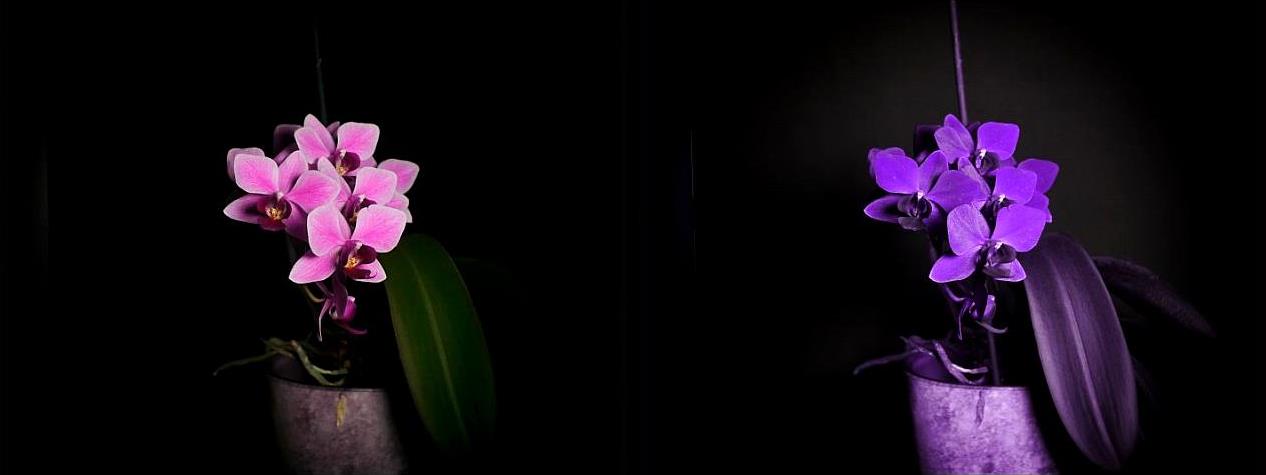
A few examples of what I have experimented with (just ignore that it's also for UV...) using a 3.5/35mm wide angle lens as the main optic plus a self constructed reducer lens.
No focal reducer
full format:
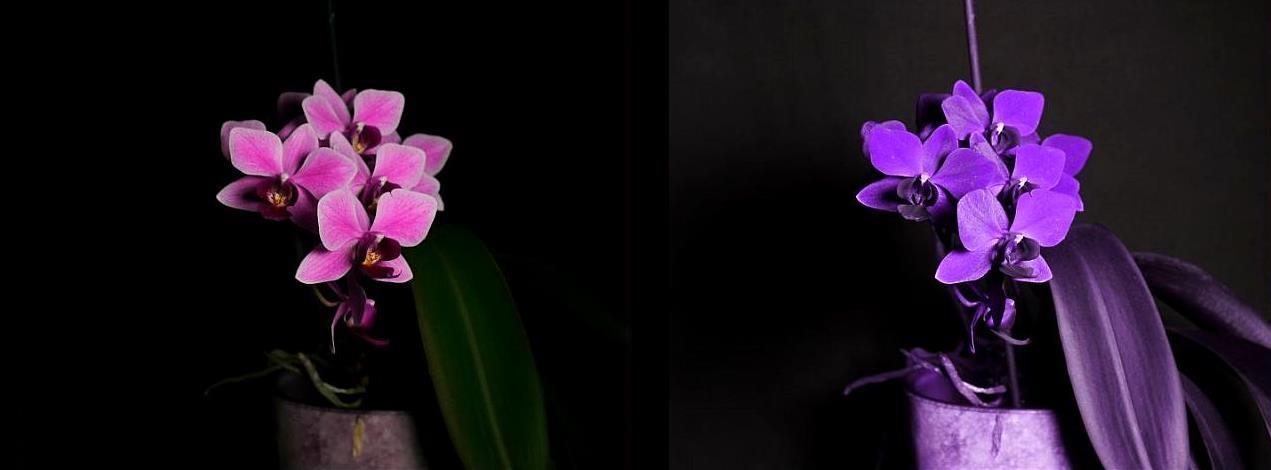
100% crop:
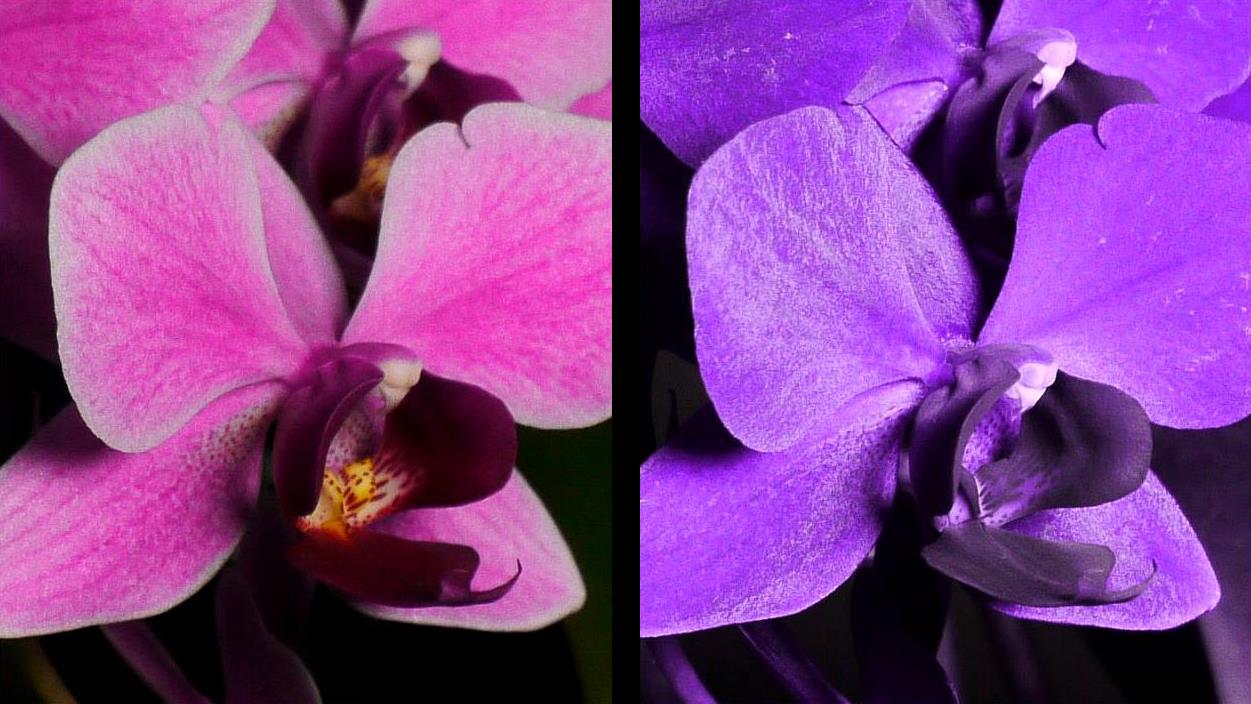
0.86x reducer, making that lens a 30mm lens
full format:
100% crop:

But the speed increase was considerable (and most welcome)...
_________________
Klaus - Admin
"S'il vient a point, me souviendra" [Thomas Bohier (1460-1523)]
http://www.macrolenses.de for macro and special lens info
http://www.pbase.com/kds315/uv_photos for UV Images and lens/filter info
https://www.flickr.com/photos/kds315/albums my albums using various lenses
http://photographyoftheinvisibleworld.blogspot.com/ my UV BLOG
http://www.travelmeetsfood.com/blog Food + Travel BLOG
https://galeriafotografia.com Architecture + Drone photography
Currently most FAV lens(es):
X80QF f3.2/80mm
Hypergon f11/26mm
ELCAN UV f5.6/52mm
Zeiss UV-Planar f4/60mm
Zeiss UV-Planar f2/62mm
Lomo Уфар-12 f2.5/41mm
Lomo Зуфар-2 f4.0/350mm
Lomo ZIKAR-1A f1.2/100mm
Nikon UV Nikkor f4.5/105mm
Zeiss UV-Sonnar f4.3/105mm
CERCO UV-VIS-NIR f1.8/45mm
CERCO UV-VIS-NIR f4.1/94mm
CERCO UV-VIS-NIR f2.8/100mm
Steinheil Quarzobjektiv f1.8/50mm
Pentax Quartz Takumar f3.5/85mm
Carl Zeiss Jena UV-Objektiv f4/60mm
NYE OPTICAL Lyman-Alpha II f1.1/90mm
NYE OPTICAL Lyman-Alpha I f2.8/200mm
COASTAL OPTICS f4/60mm UV-VIS-IR Apo
COASTAL OPTICS f4.5/105mm UV-Micro-Apo
Pentax Ultra-Achromatic Takumar f4.5/85mm
Pentax Ultra-Achromatic Takumar f5.6/300mm
Rodenstock UV-Rodagon f5.6/60mm + 105mm + 150mm
最終編集: kds315*、日 11月 11, 2012 1:12 pm、計 1 回 |
|
| トップへ戻る |
|
|
kds315*
登録日: 2008年3月12日
投稿: 16912
所在地: Kehl, Germany
Expire: 2021-03-09
|
投稿日時: 日 11月 11, 2012 1:10 pm 件名: |
|
投稿日時: 日 11月 11, 2012 1:10 pm 件名: |
|
|
kds315* wrote:
Another example:
without reducer (full format)
with reducer (full format)
Reducing factor:0.41x turning the used f4/84mm lens into a f1.6/34mm
This should simply serve as proof that this concept can be made to work under certain conditions (only).
I won't bother with detail here...
_________________
Klaus - Admin
"S'il vient a point, me souviendra" [Thomas Bohier (1460-1523)]
http://www.macrolenses.de for macro and special lens info
http://www.pbase.com/kds315/uv_photos for UV Images and lens/filter info
https://www.flickr.com/photos/kds315/albums my albums using various lenses
http://photographyoftheinvisibleworld.blogspot.com/ my UV BLOG
http://www.travelmeetsfood.com/blog Food + Travel BLOG
https://galeriafotografia.com Architecture + Drone photography
Currently most FAV lens(es):
X80QF f3.2/80mm
Hypergon f11/26mm
ELCAN UV f5.6/52mm
Zeiss UV-Planar f4/60mm
Zeiss UV-Planar f2/62mm
Lomo Уфар-12 f2.5/41mm
Lomo Зуфар-2 f4.0/350mm
Lomo ZIKAR-1A f1.2/100mm
Nikon UV Nikkor f4.5/105mm
Zeiss UV-Sonnar f4.3/105mm
CERCO UV-VIS-NIR f1.8/45mm
CERCO UV-VIS-NIR f4.1/94mm
CERCO UV-VIS-NIR f2.8/100mm
Steinheil Quarzobjektiv f1.8/50mm
Pentax Quartz Takumar f3.5/85mm
Carl Zeiss Jena UV-Objektiv f4/60mm
NYE OPTICAL Lyman-Alpha II f1.1/90mm
NYE OPTICAL Lyman-Alpha I f2.8/200mm
COASTAL OPTICS f4/60mm UV-VIS-IR Apo
COASTAL OPTICS f4.5/105mm UV-Micro-Apo
Pentax Ultra-Achromatic Takumar f4.5/85mm
Pentax Ultra-Achromatic Takumar f5.6/300mm
Rodenstock UV-Rodagon f5.6/60mm + 105mm + 150mm
|
|
| トップへ戻る |
|
|
ForenSeil
登録日: 2011年4月15日
投稿: 2731
所在地: Kappeln, Schleswig-Holstein, Germany.
|
投稿日時: 日 11月 11, 2012 3:05 pm 件名: |
|
投稿日時: 日 11月 11, 2012 3:05 pm 件名: |
|
|
ForenSeil wrote:
| iangreenhalgh1 氏の書き込み: |
I don't understand how sticking something on the front of a lens can increase it's maximum light transmission. Surely if a lens is, say, f4 then that is a fixed figure determined by the maximum physical diameter of the light path?
|
Not in front! Behind the lens!
It's compressing the image the lens projects which results in a brighter image
@kds
You results are looking not bad at all! Were did you slaughter/how did you find the focal reducers?
_________________
I'm not a collector, I'm a tester
My camera: Sony A7+Zeiss Sonnar 55/1.8
Current favourite lenses (I have many more):
A few macro-Tominons, Samyang 12/2.8, Noritsu 50.7/9.5, Rodagon 105/5.6 on bellows, Samyang 135/2, Celestron C8 2000mm F10
Most wanted: Samyang 24/1.4, Laowa 100/2.8 2x, Nikon 200/2 ED
最終編集: ForenSeil、日 11月 11, 2012 3:08 pm、計 1 回 |
|
| トップへ戻る |
|
|
iangreenhalgh1
登録日: 2011年3月18日
投稿: 15679
Expire: 2014-01-07
|
投稿日時: 日 11月 11, 2012 3:08 pm 件名: |
|
投稿日時: 日 11月 11, 2012 3:08 pm 件名: |
|
|
iangreenhalgh1 wrote:
Sounds like a crazy idea to me to be honest, obsession with lens speed is not a good thing.
_________________
I don't care who designed it, who made it or what country it comes from - I just enjoy using it! |
|
| トップへ戻る |
|
|
ForenSeil
登録日: 2011年4月15日
投稿: 2731
所在地: Kappeln, Schleswig-Holstein, Germany.
|
投稿日時: 日 11月 11, 2012 3:13 pm 件名: |
|
投稿日時: 日 11月 11, 2012 3:13 pm 件名: |
|
|
ForenSeil wrote:
| iangreenhalgh1 氏の書き込み: |
| Sounds like a crazy idea to me to be honest, obsession with lens speed is not a good thing. |
It has nothing to do with obsession if you need the speed (We had the subject already in the high speed B/W film thread)
Plus it's interesting.
_________________
I'm not a collector, I'm a tester
My camera: Sony A7+Zeiss Sonnar 55/1.8
Current favourite lenses (I have many more):
A few macro-Tominons, Samyang 12/2.8, Noritsu 50.7/9.5, Rodagon 105/5.6 on bellows, Samyang 135/2, Celestron C8 2000mm F10
Most wanted: Samyang 24/1.4, Laowa 100/2.8 2x, Nikon 200/2 ED |
|
| トップへ戻る |
|
|
kds315*
登録日: 2008年3月12日
投稿: 16912
所在地: Kehl, Germany
Expire: 2021-03-09
|
投稿日時: 日 11月 11, 2012 3:33 pm 件名: |
|
投稿日時: 日 11月 11, 2012 3:33 pm 件名: |
|
|
kds315* wrote:
| ForenSeil 氏の書き込み: |
@kds
You results are looking not bad at all! Were did you slaughter/how did you find the focal reducers? |
Bought new from optical suppliers - expensive
_________________
Klaus - Admin
"S'il vient a point, me souviendra" [Thomas Bohier (1460-1523)]
http://www.macrolenses.de for macro and special lens info
http://www.pbase.com/kds315/uv_photos for UV Images and lens/filter info
https://www.flickr.com/photos/kds315/albums my albums using various lenses
http://photographyoftheinvisibleworld.blogspot.com/ my UV BLOG
http://www.travelmeetsfood.com/blog Food + Travel BLOG
https://galeriafotografia.com Architecture + Drone photography
Currently most FAV lens(es):
X80QF f3.2/80mm
Hypergon f11/26mm
ELCAN UV f5.6/52mm
Zeiss UV-Planar f4/60mm
Zeiss UV-Planar f2/62mm
Lomo Уфар-12 f2.5/41mm
Lomo Зуфар-2 f4.0/350mm
Lomo ZIKAR-1A f1.2/100mm
Nikon UV Nikkor f4.5/105mm
Zeiss UV-Sonnar f4.3/105mm
CERCO UV-VIS-NIR f1.8/45mm
CERCO UV-VIS-NIR f4.1/94mm
CERCO UV-VIS-NIR f2.8/100mm
Steinheil Quarzobjektiv f1.8/50mm
Pentax Quartz Takumar f3.5/85mm
Carl Zeiss Jena UV-Objektiv f4/60mm
NYE OPTICAL Lyman-Alpha II f1.1/90mm
NYE OPTICAL Lyman-Alpha I f2.8/200mm
COASTAL OPTICS f4/60mm UV-VIS-IR Apo
COASTAL OPTICS f4.5/105mm UV-Micro-Apo
Pentax Ultra-Achromatic Takumar f4.5/85mm
Pentax Ultra-Achromatic Takumar f5.6/300mm
Rodenstock UV-Rodagon f5.6/60mm + 105mm + 150mm
|
|
| トップへ戻る |
|
|
iangreenhalgh1
登録日: 2011年3月18日
投稿: 15679
Expire: 2014-01-07
|
投稿日時: 日 11月 11, 2012 4:32 pm 件名: |
|
投稿日時: 日 11月 11, 2012 4:32 pm 件名: |
|
|
iangreenhalgh1 wrote:
| ForenSeil 氏の書き込み: |
| iangreenhalgh1 氏の書き込み: |
| Sounds like a crazy idea to me to be honest, obsession with lens speed is not a good thing. |
It has nothing to do with obsession if you need the speed (We had the subject already in the high speed B/W film thread)
Plus it's interesting. |
No-one needs the speed, proper technique is what is needed, not exotic lenses or very high ISOs.
_________________
I don't care who designed it, who made it or what country it comes from - I just enjoy using it! |
|
| トップへ戻る |
|
|
kds315*
登録日: 2008年3月12日
投稿: 16912
所在地: Kehl, Germany
Expire: 2021-03-09
|
投稿日時: 日 11月 11, 2012 6:29 pm 件名: |
|
投稿日時: 日 11月 11, 2012 6:29 pm 件名: |
|
|
kds315* wrote:
Let's phrase that this way: one should generally not over generalize guys! There are always special needs and projects that the "everyday shooter" hardly ever meets...
Calm down guys. That's a call to order.
_________________
Klaus - Admin
"S'il vient a point, me souviendra" [Thomas Bohier (1460-1523)]
http://www.macrolenses.de for macro and special lens info
http://www.pbase.com/kds315/uv_photos for UV Images and lens/filter info
https://www.flickr.com/photos/kds315/albums my albums using various lenses
http://photographyoftheinvisibleworld.blogspot.com/ my UV BLOG
http://www.travelmeetsfood.com/blog Food + Travel BLOG
https://galeriafotografia.com Architecture + Drone photography
Currently most FAV lens(es):
X80QF f3.2/80mm
Hypergon f11/26mm
ELCAN UV f5.6/52mm
Zeiss UV-Planar f4/60mm
Zeiss UV-Planar f2/62mm
Lomo Уфар-12 f2.5/41mm
Lomo Зуфар-2 f4.0/350mm
Lomo ZIKAR-1A f1.2/100mm
Nikon UV Nikkor f4.5/105mm
Zeiss UV-Sonnar f4.3/105mm
CERCO UV-VIS-NIR f1.8/45mm
CERCO UV-VIS-NIR f4.1/94mm
CERCO UV-VIS-NIR f2.8/100mm
Steinheil Quarzobjektiv f1.8/50mm
Pentax Quartz Takumar f3.5/85mm
Carl Zeiss Jena UV-Objektiv f4/60mm
NYE OPTICAL Lyman-Alpha II f1.1/90mm
NYE OPTICAL Lyman-Alpha I f2.8/200mm
COASTAL OPTICS f4/60mm UV-VIS-IR Apo
COASTAL OPTICS f4.5/105mm UV-Micro-Apo
Pentax Ultra-Achromatic Takumar f4.5/85mm
Pentax Ultra-Achromatic Takumar f5.6/300mm
Rodenstock UV-Rodagon f5.6/60mm + 105mm + 150mm
|
|
| トップへ戻る |
|
|
danfromm
登録日: 2011年9月4日
投稿: 600
|
投稿日時: 日 11月 11, 2012 10:07 pm 件名: |
|
投稿日時: 日 11月 11, 2012 10:07 pm 件名: |
|
|
danfromm wrote:
There have been focal length reducers for TLRs, fixed lens 35 mm cameras, and cine cameras.
I've used Canon converters for the 310XL's 8.5-25.5/1.0 on my 310XLs and for the 814/1014 XL-S on my 6-66/1.8 and 6-70/1.4 Schneider zooms, also Eumig's converter for the Nautica in and out of water. Got very good footage with 310XL + converter and from the Nautica + converter, so-so from the Schneiders with the big Canon converter. The problem with the Schneiders was vignetting; I've always thought that the problem was that the converter couldn't be brought as close to their front elements as on the lenses it was made for.
EKCo made a 25-15 converter for the 25/1.4 Cine Ektar II. I have a couple, one with poor cosmetics and good glass, the other with lovely cosmetics and equally lovely Newton's rings. The 25/1.4 CE II is a superb lens but I never tried mine with the good converter. Kern made similar converters (Aspherons) for some Switars used on Bolexes, Century has made 'em for cine and video cameras, and I'm sure there are many more.
None of these afocal converters increased relative aperture. |
|
| トップへ戻る |
|
|
Pancolart

登録日: 2008年2月4日
投稿: 3710
所在地: Slovenia, EU
Expire: 2013-11-18
|
投稿日時: 月 11月 12, 2012 9:10 am 件名: |
|
投稿日時: 月 11月 12, 2012 9:10 am 件名: |
|
|
Pancolart wrote:
| ForenSeil 氏の書き込み: |
| @kds You results are looking not bad at all! Were did you slaughter/how did you find the focal reducers? |
Oooo, i already see some zooms on a slaughter line.
Please share your experience what kind of glass works best. I think even better solution with longer focal length would be replacing last element.
_________________
---------------------------------
The Peculiar Apparatus Of Victorian Steampunk Photography: 100+ Genuine Steampunk Camera Designs https://www.amazon.com/dp/B0B92829NS |
|
| トップへ戻る |
|
|
Fabian


登録日: 2011年12月4日
投稿: 254
|
|
| トップへ戻る |
|
|
std
登録日: 2010年2月9日
投稿: 1826
所在地: Bulgaria
|
投稿日時: 金 3月 01, 2013 7:51 am 件名: |
|
投稿日時: 金 3月 01, 2013 7:51 am 件名: |
|
|
std wrote:
Cool
Can you give us some more details on this reducer you are using?
_________________
Stefan
My lens list:
SLR MD: Rokkor 1,7/50 Exakta: Kilfitt-Makro-Kilar E 3.5/4cm; CZJ 2/50 Pancolar;M42: CZJ 2.8/50 Tessar; Mir-1B 2.8/37; Jupiter-9 2/85 T-mount: Tamron 5.9/200; Tamron 6.9/300; Tamron 7.5/400 C-mount: Cosmicar 1.8/50 Y/S: Sun 3.5/38-90, Sun 4/70-210 RF Contax RF: Jupiter-8 2/50; Contax G:CZ 2,8/21 Biogon T; CZ 2,8/28 Biogon T; CZ 2/35 Planar T; CZ 2/45 Planar T; CZ 2,8/90 Sonnar T |
|
| トップへ戻る |
|
|
kds315*
登録日: 2008年3月12日
投稿: 16912
所在地: Kehl, Germany
Expire: 2021-03-09
|
投稿日時: 金 3月 01, 2013 8:04 am 件名: |
|
投稿日時: 金 3月 01, 2013 8:04 am 件名: |
|
|
kds315* wrote:
A simple reducer used in astro telescopes. Can be found on ebay or elsewhere...
_________________
Klaus - Admin
"S'il vient a point, me souviendra" [Thomas Bohier (1460-1523)]
http://www.macrolenses.de for macro and special lens info
http://www.pbase.com/kds315/uv_photos for UV Images and lens/filter info
https://www.flickr.com/photos/kds315/albums my albums using various lenses
http://photographyoftheinvisibleworld.blogspot.com/ my UV BLOG
http://www.travelmeetsfood.com/blog Food + Travel BLOG
https://galeriafotografia.com Architecture + Drone photography
Currently most FAV lens(es):
X80QF f3.2/80mm
Hypergon f11/26mm
ELCAN UV f5.6/52mm
Zeiss UV-Planar f4/60mm
Zeiss UV-Planar f2/62mm
Lomo Уфар-12 f2.5/41mm
Lomo Зуфар-2 f4.0/350mm
Lomo ZIKAR-1A f1.2/100mm
Nikon UV Nikkor f4.5/105mm
Zeiss UV-Sonnar f4.3/105mm
CERCO UV-VIS-NIR f1.8/45mm
CERCO UV-VIS-NIR f4.1/94mm
CERCO UV-VIS-NIR f2.8/100mm
Steinheil Quarzobjektiv f1.8/50mm
Pentax Quartz Takumar f3.5/85mm
Carl Zeiss Jena UV-Objektiv f4/60mm
NYE OPTICAL Lyman-Alpha II f1.1/90mm
NYE OPTICAL Lyman-Alpha I f2.8/200mm
COASTAL OPTICS f4/60mm UV-VIS-IR Apo
COASTAL OPTICS f4.5/105mm UV-Micro-Apo
Pentax Ultra-Achromatic Takumar f4.5/85mm
Pentax Ultra-Achromatic Takumar f5.6/300mm
Rodenstock UV-Rodagon f5.6/60mm + 105mm + 150mm
|
|
| トップへ戻る |
|
|
kds315*
登録日: 2008年3月12日
投稿: 16912
所在地: Kehl, Germany
Expire: 2021-03-09
|
投稿日時: 金 3月 01, 2013 8:06 am 件名: |
|
投稿日時: 金 3月 01, 2013 8:06 am 件名: |
|
|
kds315* wrote:
| danfromm 氏の書き込み: |
There have been focal length reducers for TLRs, fixed lens 35 mm cameras, and cine cameras.
....
None of these afocal converters increased relative aperture. |
Of course, as they were front mounted reducers not changing (=reducing) the size of the projected image....
_________________
Klaus - Admin
"S'il vient a point, me souviendra" [Thomas Bohier (1460-1523)]
http://www.macrolenses.de for macro and special lens info
http://www.pbase.com/kds315/uv_photos for UV Images and lens/filter info
https://www.flickr.com/photos/kds315/albums my albums using various lenses
http://photographyoftheinvisibleworld.blogspot.com/ my UV BLOG
http://www.travelmeetsfood.com/blog Food + Travel BLOG
https://galeriafotografia.com Architecture + Drone photography
Currently most FAV lens(es):
X80QF f3.2/80mm
Hypergon f11/26mm
ELCAN UV f5.6/52mm
Zeiss UV-Planar f4/60mm
Zeiss UV-Planar f2/62mm
Lomo Уфар-12 f2.5/41mm
Lomo Зуфар-2 f4.0/350mm
Lomo ZIKAR-1A f1.2/100mm
Nikon UV Nikkor f4.5/105mm
Zeiss UV-Sonnar f4.3/105mm
CERCO UV-VIS-NIR f1.8/45mm
CERCO UV-VIS-NIR f4.1/94mm
CERCO UV-VIS-NIR f2.8/100mm
Steinheil Quarzobjektiv f1.8/50mm
Pentax Quartz Takumar f3.5/85mm
Carl Zeiss Jena UV-Objektiv f4/60mm
NYE OPTICAL Lyman-Alpha II f1.1/90mm
NYE OPTICAL Lyman-Alpha I f2.8/200mm
COASTAL OPTICS f4/60mm UV-VIS-IR Apo
COASTAL OPTICS f4.5/105mm UV-Micro-Apo
Pentax Ultra-Achromatic Takumar f4.5/85mm
Pentax Ultra-Achromatic Takumar f5.6/300mm
Rodenstock UV-Rodagon f5.6/60mm + 105mm + 150mm
|
|
| トップへ戻る |
|
|
Fabian
登録日: 2011年12月4日
投稿: 254
|
投稿日時: 金 3月 01, 2013 11:42 am 件名: |
|
投稿日時: 金 3月 01, 2013 11:42 am 件名: |
|
|
Fabian wrote:
| std 氏の書き込み: |
Cool
Can you give us some more details on this reducer you are using? |
Opticstar Imaging Focal Reducer

Modified the doublet holder a bit so it can be closer to the lens, this one looked like it had the best quality / cost ratio. |
|
| トップへ戻る |
|
|
sammo

登録日: 2012年1月4日
投稿: 223
所在地: CH and SI
|
投稿日時: 金 3月 01, 2013 3:36 pm 件名: |
|
投稿日時: 金 3月 01, 2013 3:36 pm 件名: |
|
|
sammo wrote:
This might be a good idea. But I think it wouldn't work good. If lenses that are specialised to work at short focal lengths (such as, let's say a 50mm f1.2) can't produce sharp image on the edges, there is no way that a 100 mm f2.5 would produce a sharp image when compressed to 50% of the original size that it produces. If this would work, then lens producers must have missed a sharp lens design that works for fast apertures. But I'm sure with all the year's of development they considered also this.
I have some experience with both 0.63x and 0.33x reducers for telescopes. 0.63 should work on full frame (I never tried it) but I doubt of the image quality at the corners, it works well on the APC-S, though it vignettes heavily...and the 0.33x is just crappy, it cannot produce a sharp image even on a sensor with 10mm diagonal.
There are more complex systems, such as Hyperstar, where the secondary mirror is removed and the camera is mounted on the front. It costs 1500$...but then you can have a 700mm f/2 "lens" that produces a sharp image over the APC-S frame. |
|
| トップへ戻る |
|
|
|
|
 日本語
 Español
 中文
 Magyar
 Русский
 Deutsch
 Français



